There is a life that unfolds almost always out of our sight.
Among the branches of the native forest, on rocks warmed by the sun and in the small refuges offered by the mountain vegetation, countless species find food, shelter and a place to reproduce.
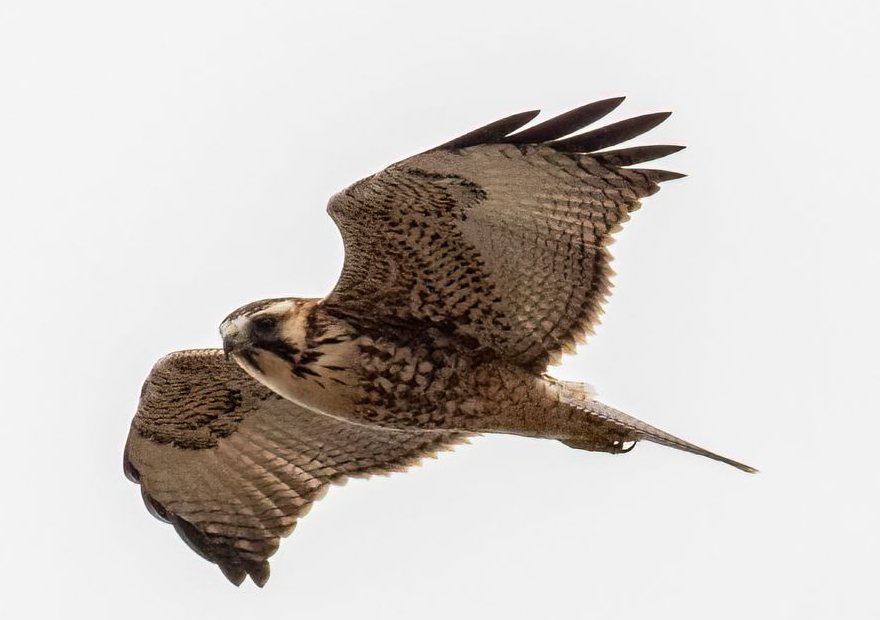
Some announce themselves with their songs. Others leave only a track, a movement in the grasslands or a shadow crossing the sky.
The forest is much more than a collection of trees. It is a complex web of relationships in which every organism plays a role. Birds disperse seeds and help control the populations of other animals. Pollinating insects sustain processes that are essential for plant reproduction. Small mammals, reptiles and countless soil organisms are part of a balance that we often do not know.
But this diversity faces growing threats.
Fires, the fragmentation of natural environments, the loss of native vegetation and changes to the territory reduce the space available for wildlife.
Protecting biodiversity is not only about preventing a species from disappearing. It means conserving the relationships that allow an ecosystem to keep functioning.
At Fundación Molle we understand that knowing is one of the first ways of caring. That is why nature observation, environmental education and knowledge of native species are part of how we look at conservation.
Perhaps the first step is the simplest: learning to look.
Stopping in front of a tree, recognizing a song, discovering a track, or asking ourselves which animals live in the landscape we usually cross without paying much attention.
Because the forest is not empty when it seems silent.
It is full of lives that also need a place in our future.