A tree can become a question.
Why do its leaves have that shape? Which animals feed on its fruit? How long does it need to grow? What happens underground, where its roots interact with other organisms?
Each question opens a path toward new ways of understanding nature.
For generations, communities built knowledge from their everyday relationship with the environments they lived in. They recognized the seasons, the cycles of plants, the properties of different species and the signs that allow the transformations of the landscape to be read.
Much of that knowledge now coexists with scientific research, formal education and new tools for environmental observation.
Environmental education can build bridges between those worlds.
It is not only about passing on information about trees, animals or ecological problems. It is about developing a way of seeing that can recognize the relationships that sustain life and understand how our actions affect them.
At Fundación Molle we believe the territory can be a space for collective learning.
The Reserva Ecoeducativa Bialet Massé plans the gradual development of educational activities linked to the native forest, ecological restoration, territorial knowledge and community participation.
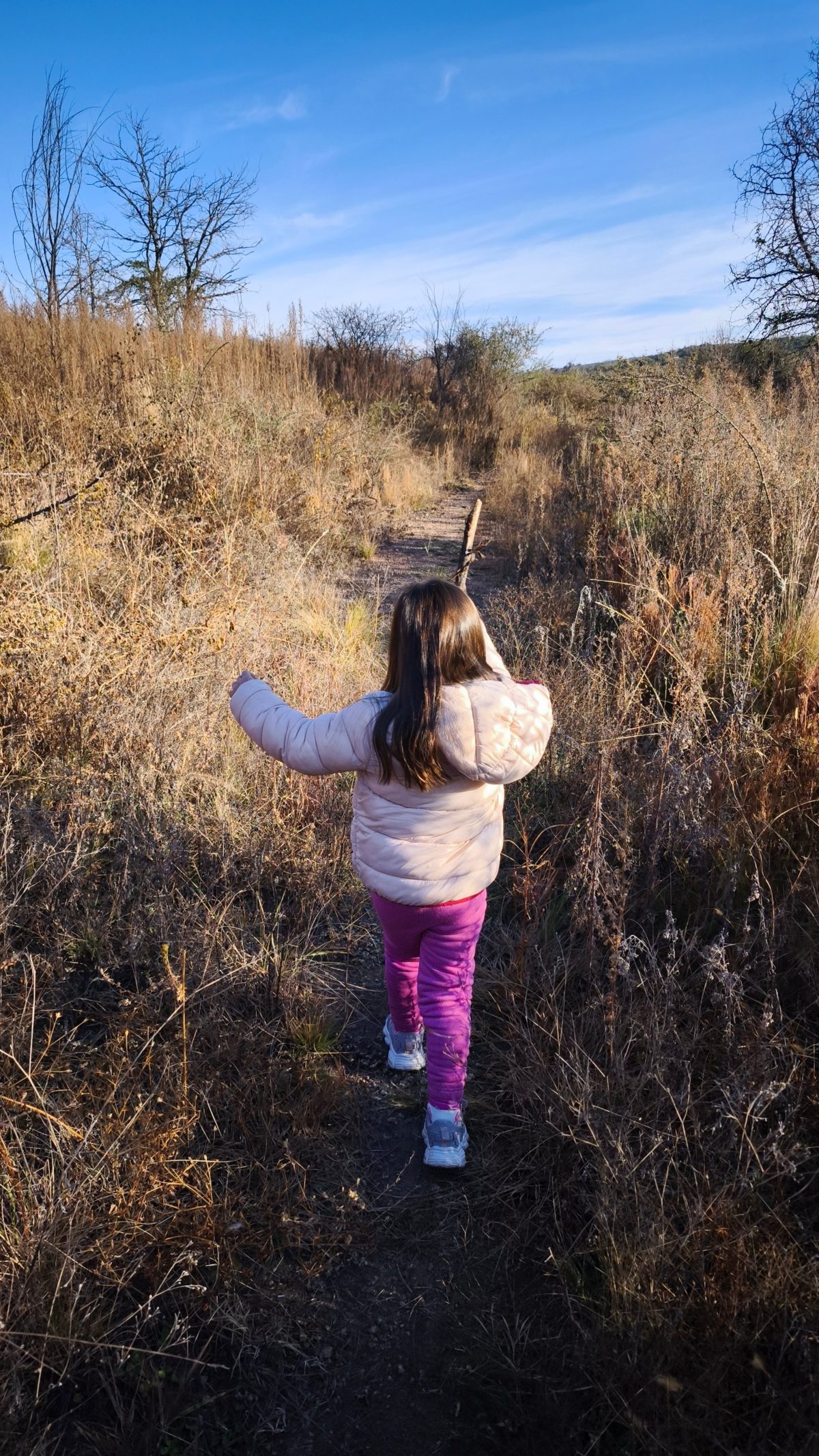
The idea is that learning is not limited to listening to an explanation, but also involves observing, asking, experimenting and building knowledge together with other people.
Because what we know stops being simply part of the landscape.
It takes on meaning.
And when a place takes on meaning, it can also awaken the will to protect it.
Educating for conservation is, ultimately, learning to see ourselves as part of nature.