← Back to Projects

A Fundación Molle project

Reserva
Ecoeducativa
Bialet Massé

A meeting place for nature, knowledge and work, where ecological restoration is integrated with training, local production and community participation.

A living territory, a shared future.

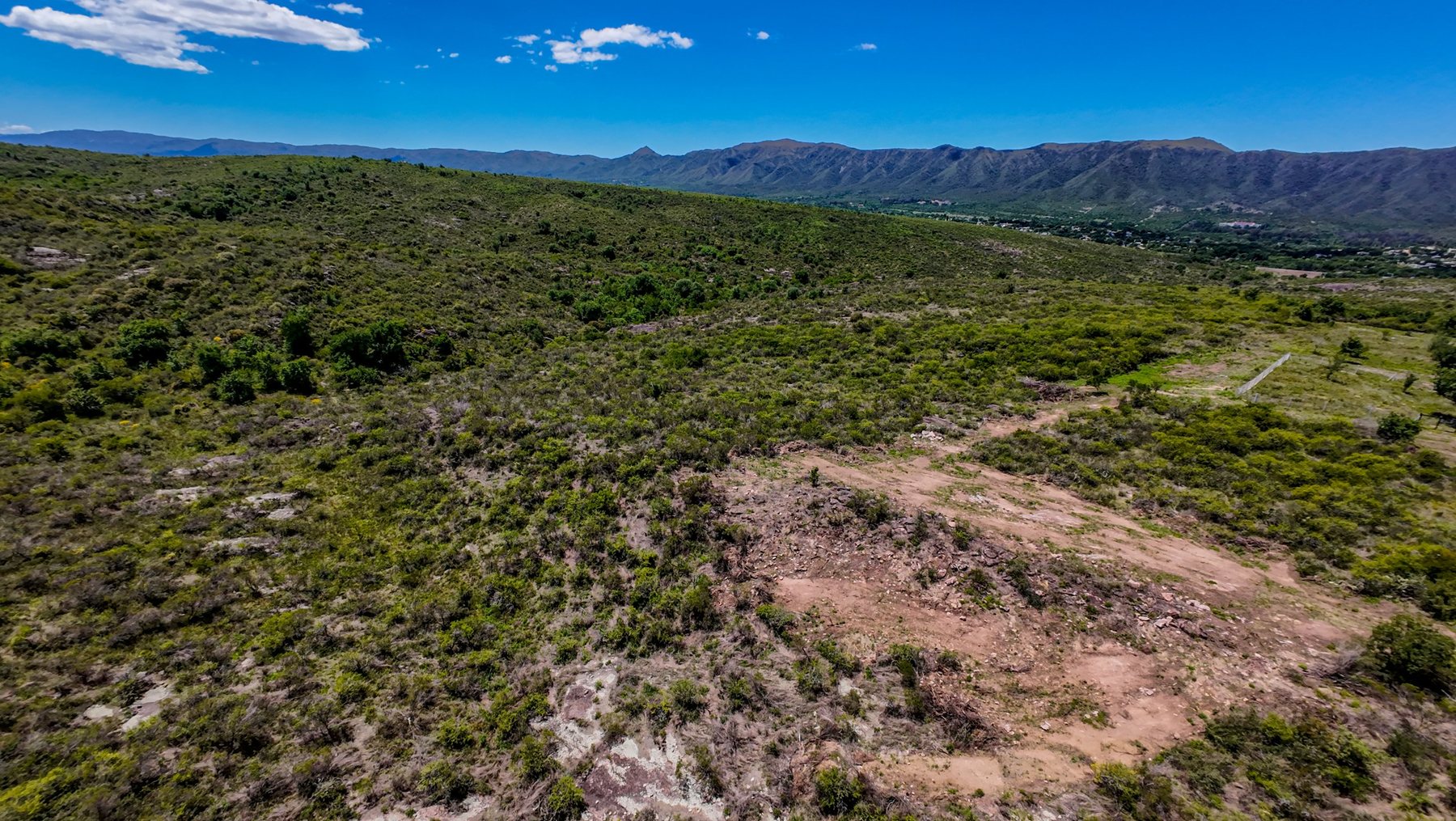
Aerial view of the Reserve's land: green mountain scrub, a patch of bare soil and, in the background, the mountain range of the Punilla Valley
Photo: Nicolás Heredia ph
How to read this page. What follows are lines planned in the Management Plan 2027–2032, subject to assessments, permits and resources. The actual status of each activity will be published with a date once validated.

The territory

Bialet Massé, an opportunity to restore

The Reserve is located in Bialet Massé, in the Punilla Valley, a mountain territory of high environmental, cultural and social value that today faces major challenges.

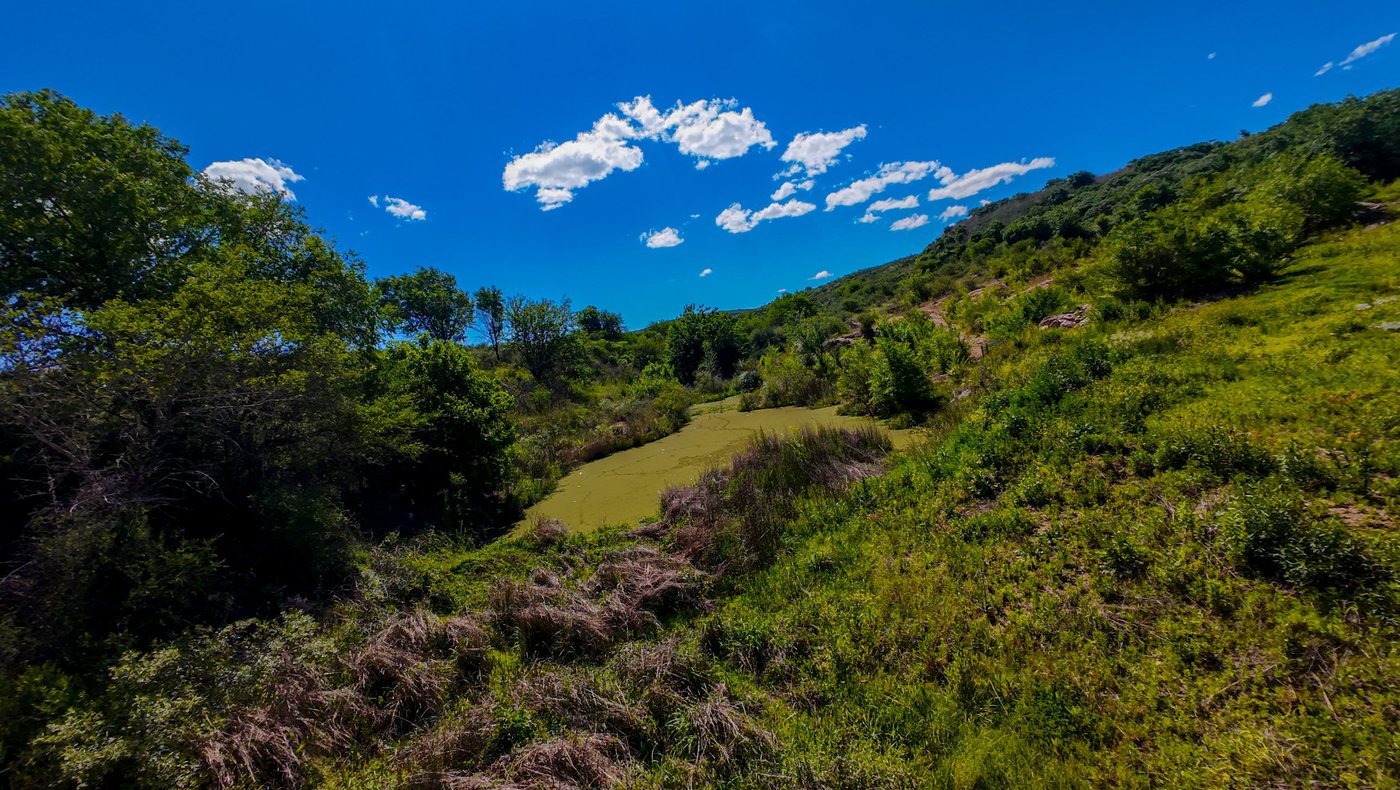
Body of water covered with floating vegetation, surrounded by trees and mountain scrub hillsides, under a blue sky with clouds
Photo: Nicolás Heredia ph
Aerial tour of the land. Drone view covering about 70% of the work area, next to the highway. It shows hillsides with dry grassland and exposed soil, and the ravine. No sound.

Work area

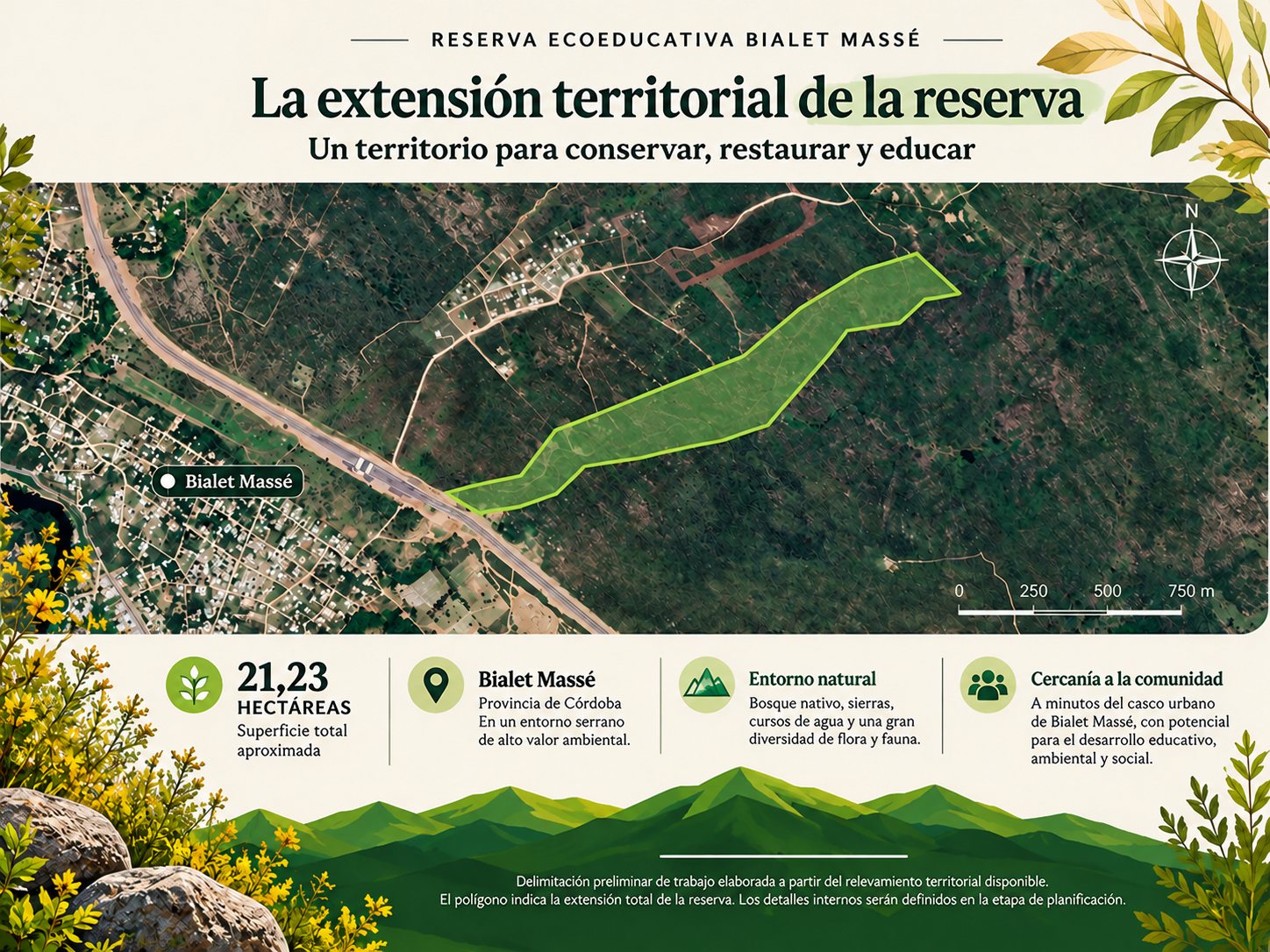
21.23 ha is the area on which the project is developed. Map of the area below.

The territorial extent of the Reserve

Satellite map with the Reserve's polygon, an elongated strip next to the highway and Bialet Massé. Approximate total area: 21.23 hectares
Preliminary working boundary, drawn from the available territorial survey. The polygon shows the total extent of the Reserve (approximately 21.23 ha). Internal details will be defined during the planning stage.
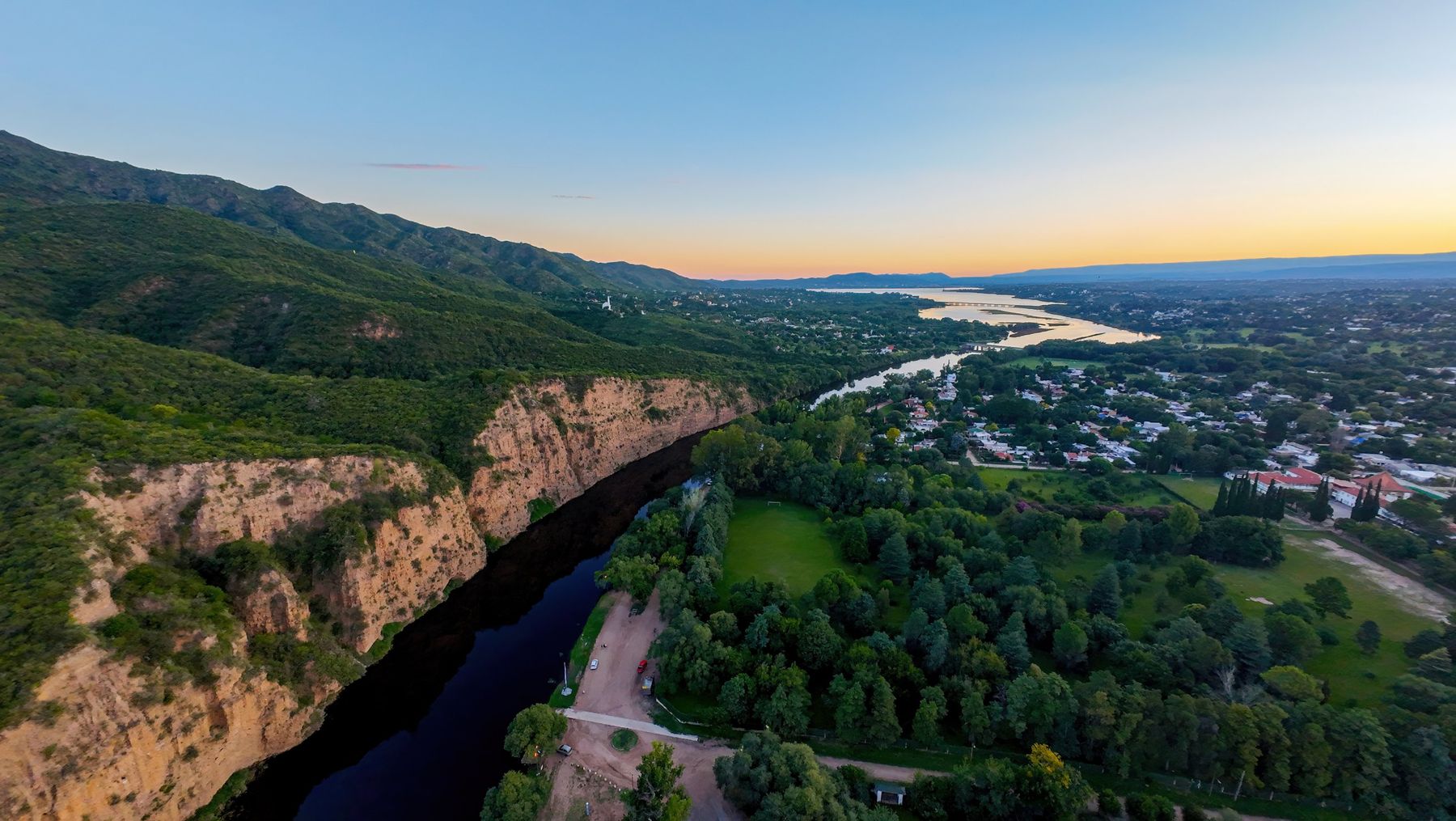
Aerial view at sunset of the Cosquín River between a mountain-scrub bluff and the urbanized shore, heading toward San Roque Lake
Photo: Nicolás Heredia ph
The surroundings. Aerial view of the Cosquín River and its mouth at San Roque Lake, in the Punilla Valley. It shows the regional landscape, not the Reserve's land.

Why it matters

The challenges of the mountain forest

Recurrent wildfires

That degrade the environment.
Loss of native forest

And of biodiversity.

Soil erosion

And degradation of the mountain landscape.

Pressure on water resources

And on local ecosystems.

An opportunity for impact

Creating the Eco-Educational Reserve aims to recover the mountain forest, protect biodiversity, improve the territory's resilience and create opportunities for training, work and local development.

The project

A triple-impact project

A territorial management model that integrates environmental conservation, social development and education, aiming to generate concrete and lasting benefits for the territory and its community.

Environmental impact

Recovery of native forest, biodiversity conservation and restoration of mountain ecosystems.

Conservation

Social impact

Community participation, capacity building and opportunities for sustainable local development.

Community

Educational impact

Environmental education, transmission of the territory's knowledge and training in trades linked to restoration and sustainable production.

Knowledge

Management Plan 2027–2032

Six programs, one shared territory

A comprehensive strategy that brings together conservation, training, participation and local development. These are planned lines, not services already in operation.

Conservation and restoration

Native forest, biodiversity, regeneration and nursery.

Planned line

Water, soil and resilience

Water protection, erosion and fire prevention.

Planned line

Education and research

Living classroom, citizen science and heritage.

Planned line

School of Trades

Beekeeping, essences and essential oils, and carpentry.

Planned line

Nature tourism

Interpretive trails and low-impact visits.

Planned line

Community and territory

Volunteering, partnerships and local participation.

Planned line

Planned infrastructure

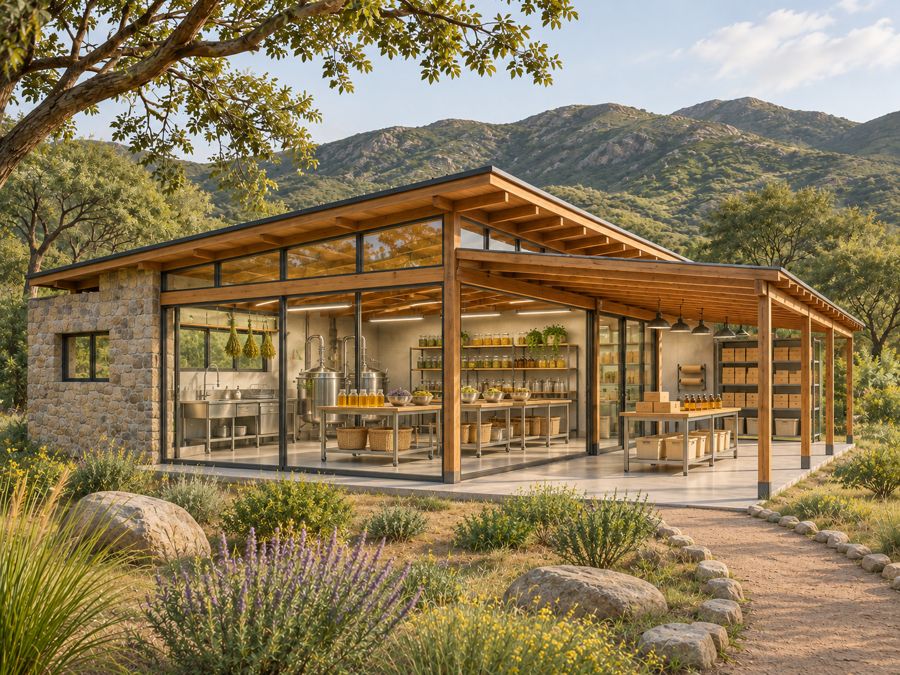
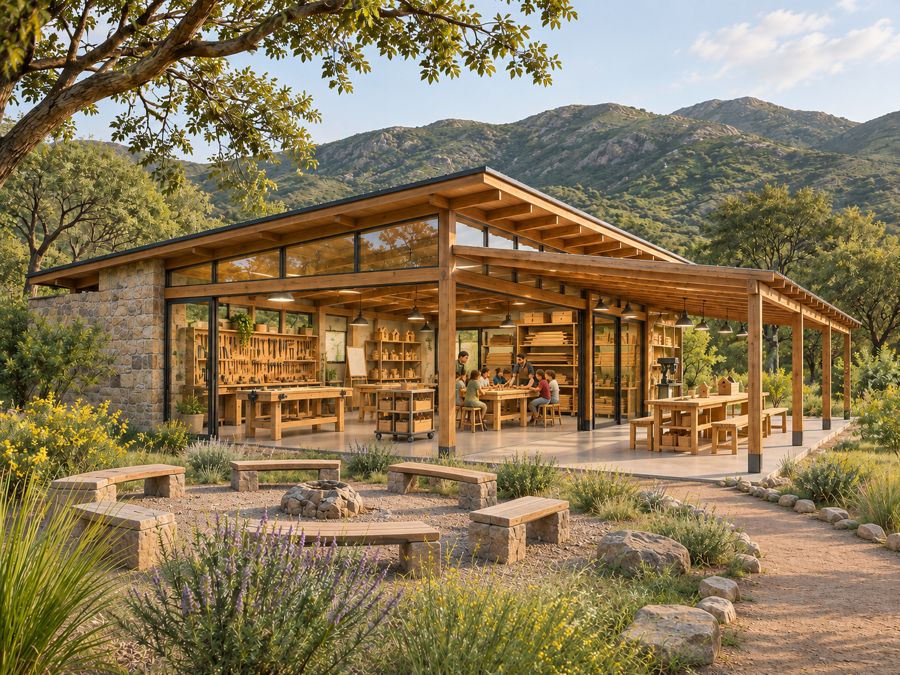
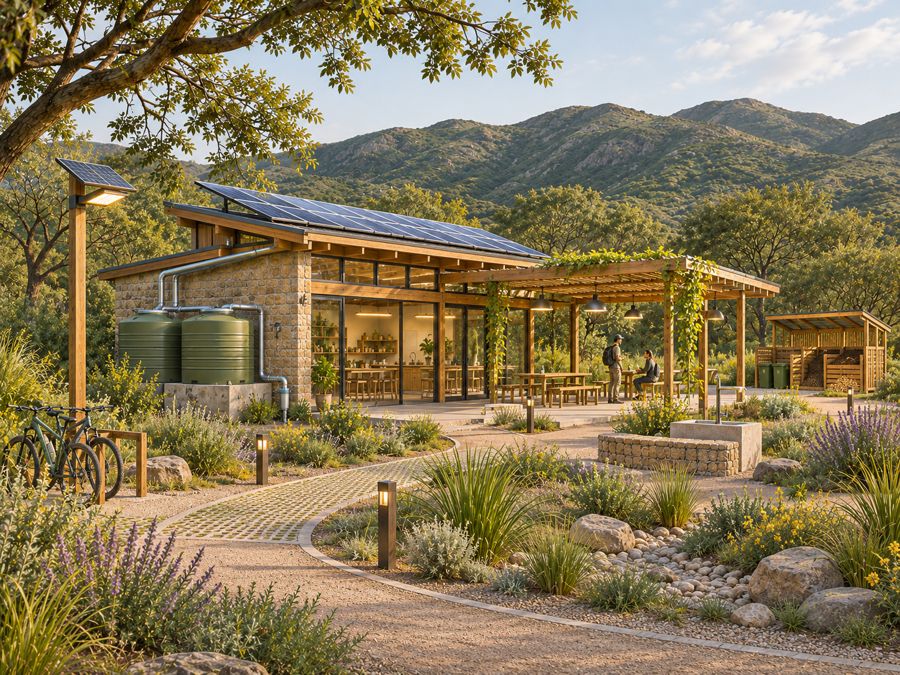
Subject to the final project. Any building image is conceptual: they are illustrative renders, not existing works.
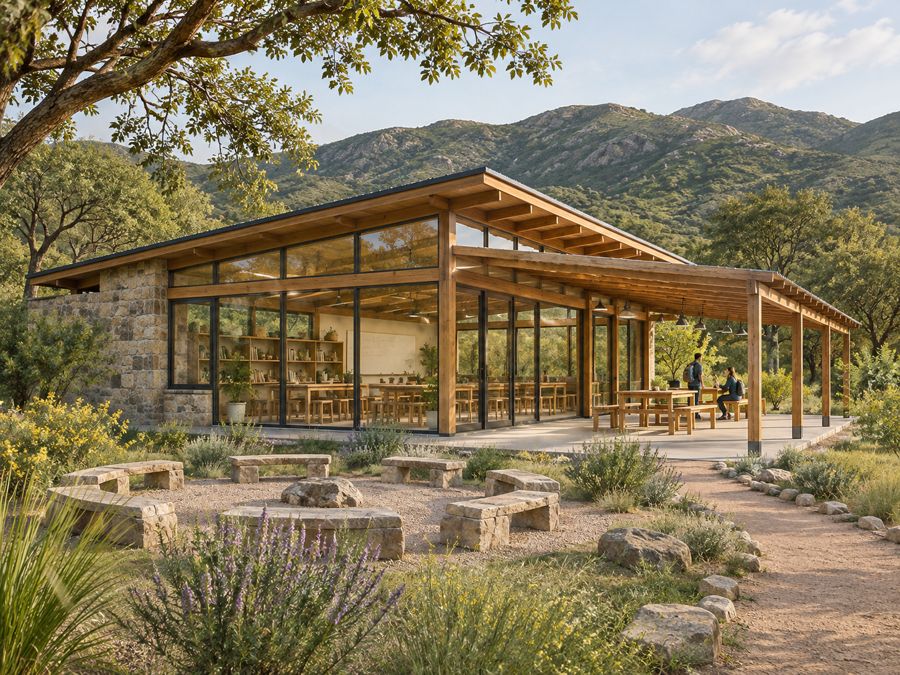
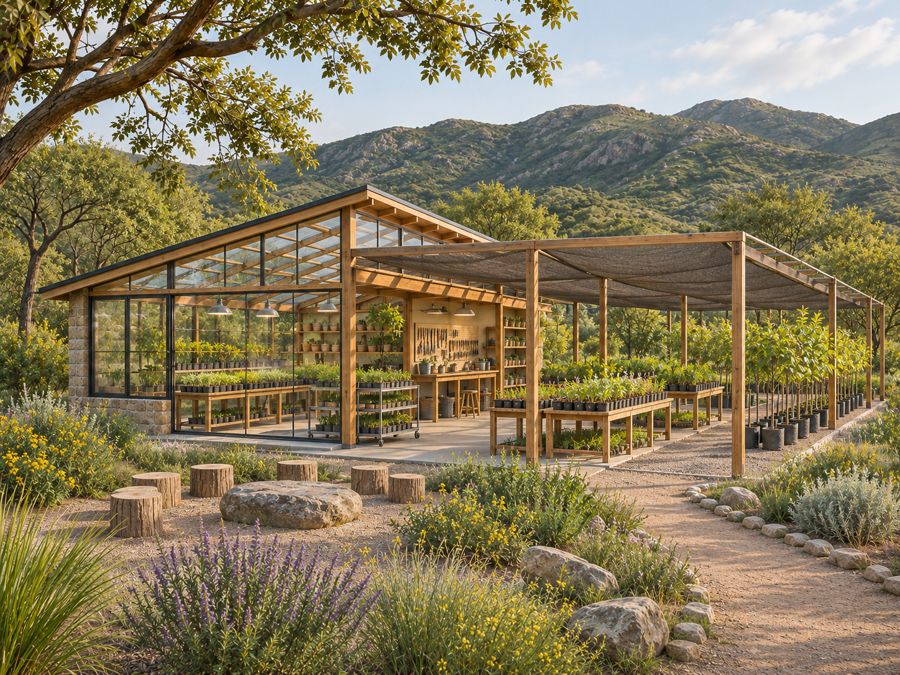
  • Illustrative render of a classroom workshop with large windows, a wooden gallery and circles of stone benches in a mountain-scrub setting
    Multipurpose classroom workshopPlanned
  • Illustrative render of a nursery with greenhouse and shade net, with native-species seedlings on wooden tables
    Native species nurseryPlanned
  • Illustrative render of an extraction and packaging room with work tables, jars and shelves, with a view of the hills
    Extraction and packaging roomPlanned
  • Illustrative render of an open carpentry workshop, with workbenches, tools and a group at work
    Carpentry workshopPlanned
  • Illustrative render of a building with solar panels, rainwater tanks and solar lights in a native-species garden
    Renewable energy and efficient resource managementSubject to technical assessment

Roadmap

2027–2032: a process, not a promise

  1. 2027

    Learn and plan

    Legal regularization and institutional coordination, ecological assessment, mapping and preliminary zoning.

  2. 2028

    Protect and restore

    Soil and water protection, fire prevention, pilot restoration and first community activities.

  3. 2029–2030

    Educate and train

    Consolidation of the living classroom, nursery, monitoring and first experiences of the School of Trades.

  4. 2031–2032

    Consolidate and evaluate

    Gradual development of programs, controlled public use, monitoring of results and planning of the next period.
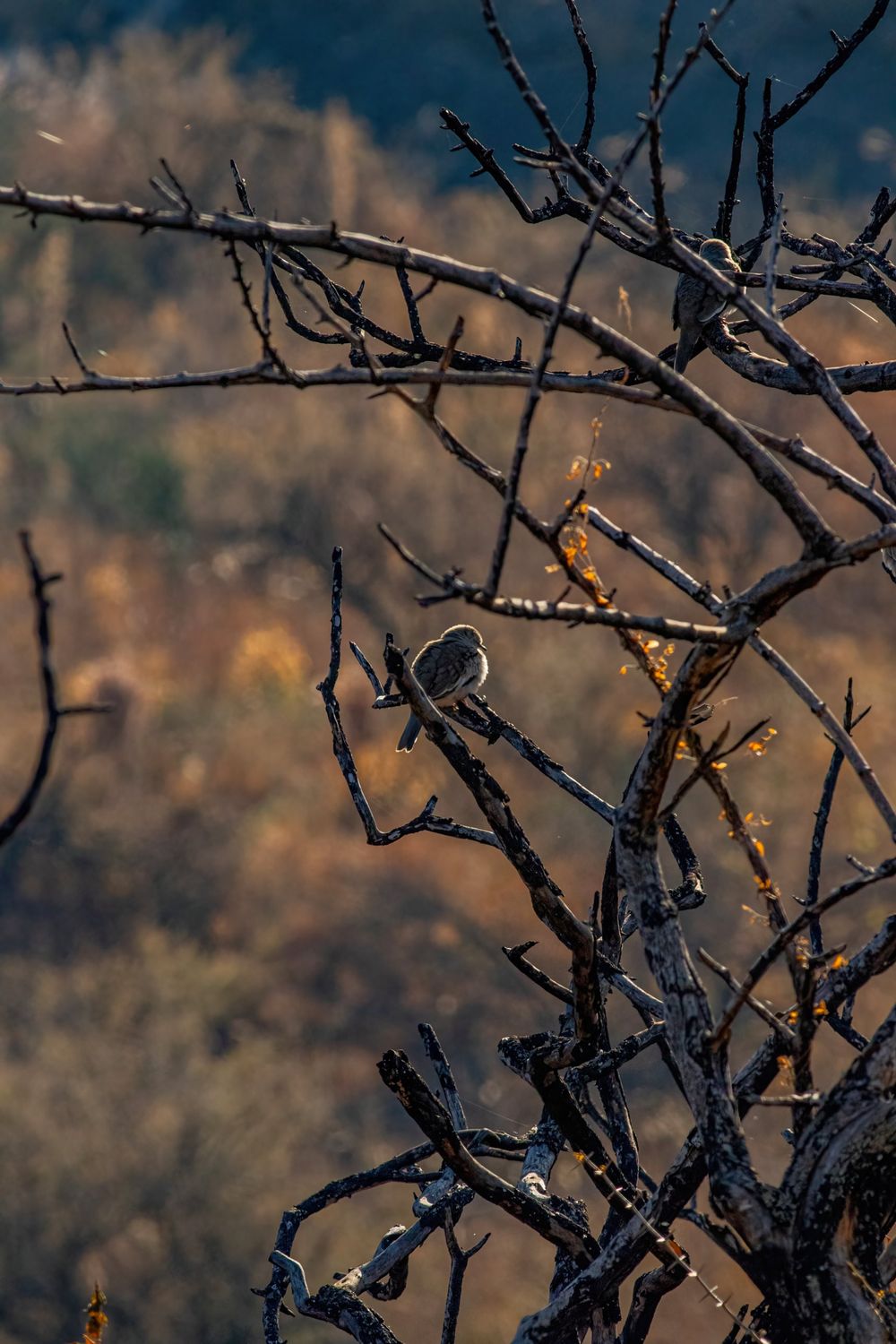
Bird perched among dry branches, backlit, with the mountain scrub out of focus in the background
Photo: Nicolás Heredia ph
Indicative stages. Subject to assessments, permits and availability of resources. The years are planned milestones, not achieved results.
A gradual, measurable and sustained process.

Get involved

The territory is cared for by many hands

Schools, teachers, researchers, volunteers and organizations: we want to know how you can join the recovery of the mountain forest.

In the meantime, you can also call us at 341 356-6939.